 Rob Munday
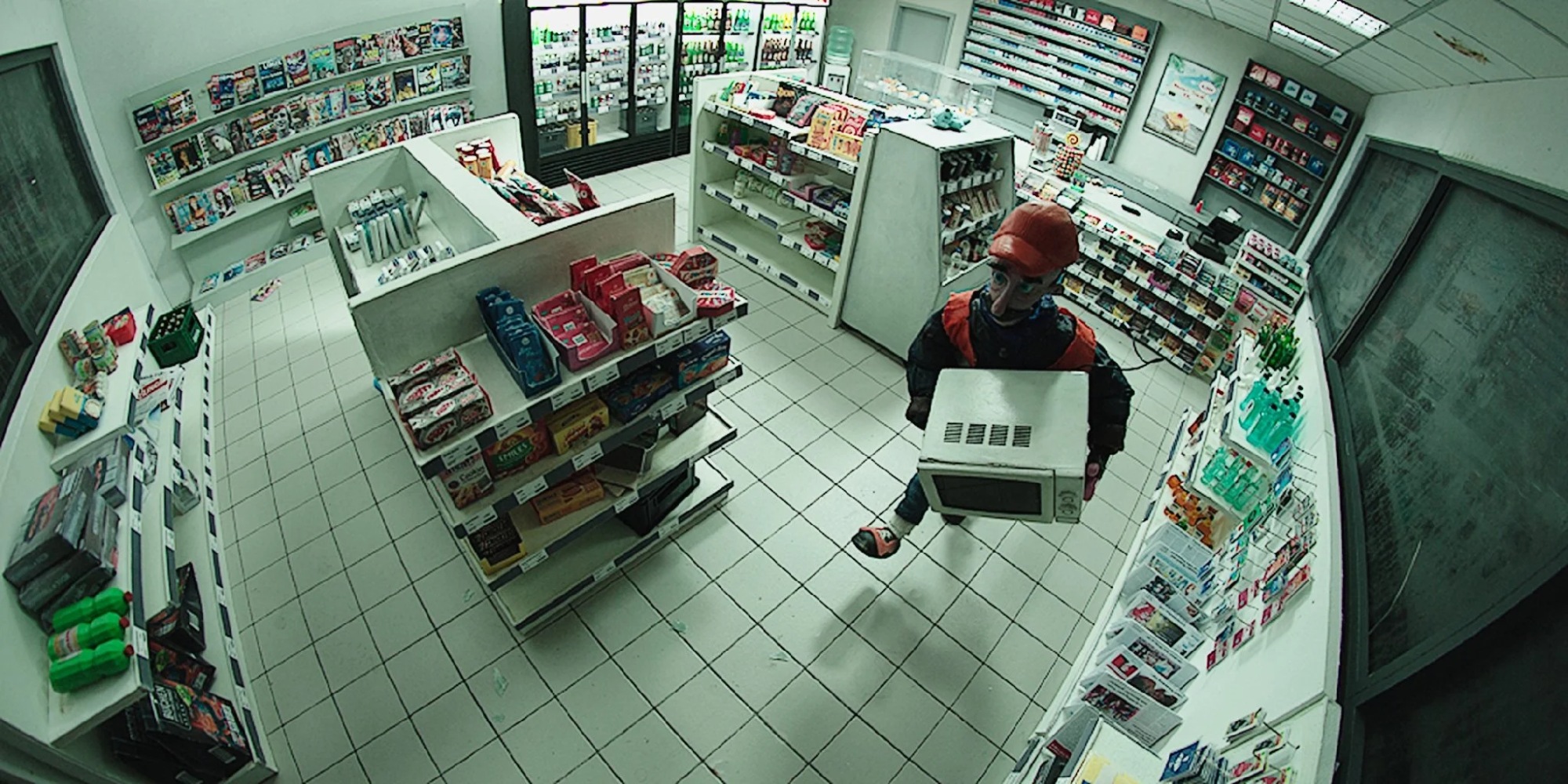
If you’ve ever felt cold – real, bone-deep, it’s never going to leave my body cold – then Ferdinand Ehrhardt’s Detlev is likely to speak to that sensation. The story of a constantly shivering man whose daily routine involves visiting a gas station to buy boiling-hot food and smush his face into it, the short blends an inherently comic premise with surprising emotional depth.
Beneath its surreal setup, Ehrhardt’s film becomes an exploration of isolation, masculinity and the the need for tangible, human connection. Brought to the screen through stop-motion using silicone puppets, Detlev never aims for photo-realism, but there’s enough of a recognisable human quality to its characters and environments to give the fantasy storyline real-world impact. The animation is particularly effective in capturing the freezing man’s physical discomfort, with his uncontrollable juddering rendered so convincingly it might well send a few shivers down your own spine.

Detlev centres around a man looking for warmth in an increasingly cold world.
While the cold is an important narrative device, however, it’s ultimately the film’s exploration of isolation and comfort that radiates the strongest. There’s an obvious comic quality to the premise – a man repeatedly plunging his face deep into boiling hot food for warmth – but Ehrhardt uses this absurdity as a gateway into something more emotionally complex.
As the lead character’s desperate behaviour becomes less of a gag, it starts to transform into more of a physical expression of his loneliness, his search for warmth representing a fundamental desire for human contact. That tonal balance is perhaps the film’s greatest achievement. In other hands, the concept could easily have become a cheap joke, but Ehrhardt resists that temptation, allowing his humour to coexist alongside a genuine sense of vulnerability. The result is a film that feels strange and funny on the surface, but increasingly poignant the longer you sit with it.
It’s perhaps no surprise, then, that Detlev has enjoyed such a successful festival run, screening at SXSW and Annecy.