 Mariana Rekka
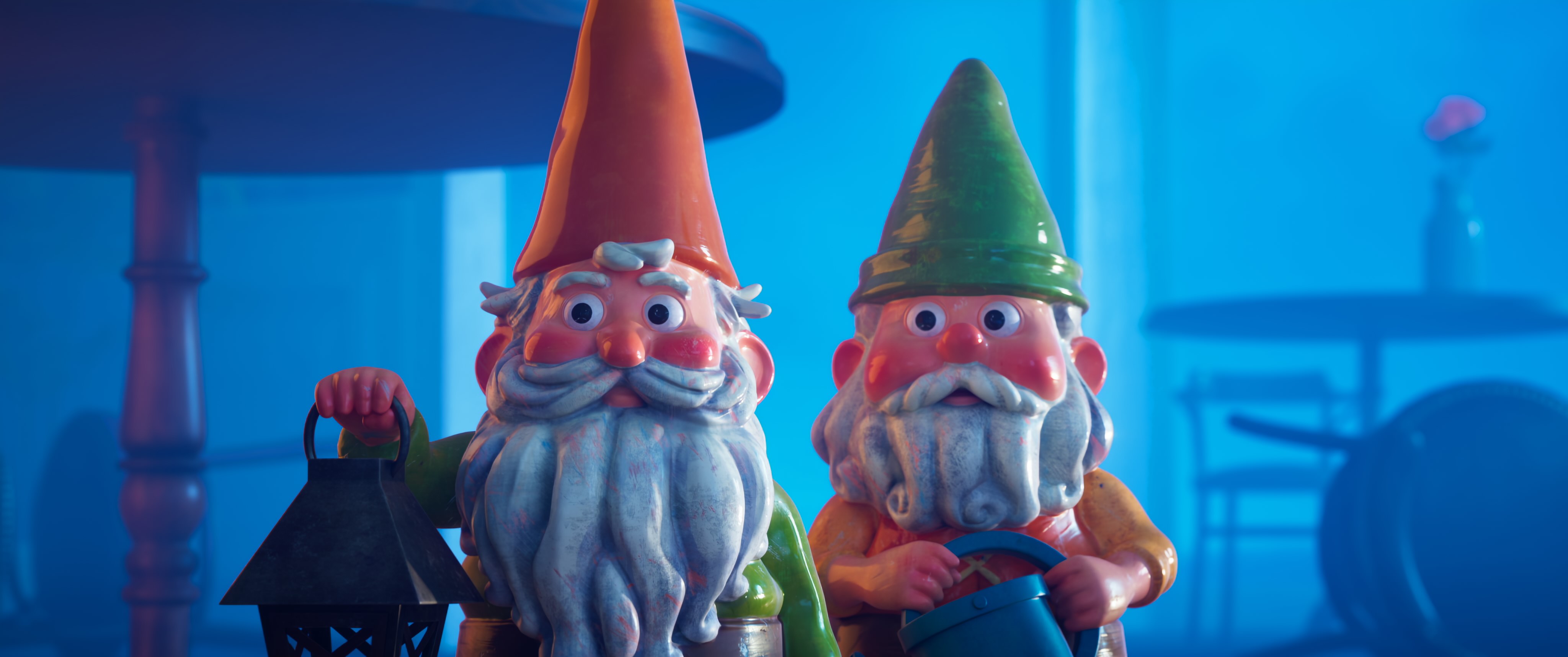
To tell an empathetic story with characters that barely move sounds nearly impossible, right? Yet five students manage to do exactly that in Forever, building an entire emotional and comedic world around a group of garden gnomes whose rigid ceramic faces and bodies somehow carry more determination, will, pride, and stubborn heroism than many human protagonists.
Directed by Théo Djekou, Pierre Ferrari, Cyrine Jouini, Pauline Philippart and Anissa Terrier from École des Nouvelles Images, this six-minute short transforms the quiet backyard life of kitschy statuettes into a full-blown cinematic adventure. Here, the simple act of losing golf balls over a garden fence becomes an existential threat to a fragile society that refuses to accept its destiny as merely decorative. The premise is wonderfully absurd but treated with complete sincerity, as if the fate of these small figures truly hinged on defending their territory against an invisible, unreachable enemy.
With each gnome defined through posture, staging, and timing, their typically static forms become a surprisingly expressive cast. Their rigidity is both the joke and the charm, as their quest for revenge gradually evolves into something closer to a miniature epic. What unfolds is essentially a silent comedy driven by determination and an abundance of cultural references, where the language of Hollywood blockbusters is affectionately exaggerated and distilled into compact visual sketches – without ever feeling obvious or overplayed.
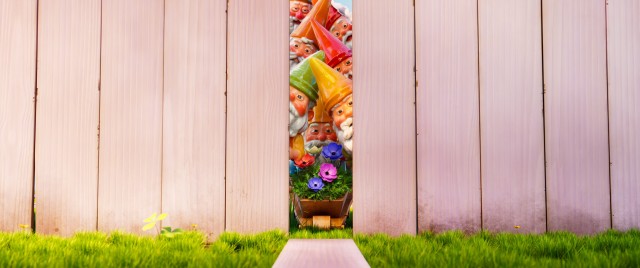
Dramatic framing, heightened tension, excellent sound design, and heroic poses elevate the gnomes’ struggle into something that feels both ridiculous and oddly sincere: a parody rooted in affection, with a singular goal – to defeat their ominous enemy. This antagonist remains unseen; we witness only the consequences of their actions. The true culprits – the humans behind it all, whose careless golfing disrupts the gnomes’ world – remain just out of sight.
The gnomes prepare for confrontation, organizing themselves as if facing an invading army. And yet, the only visible adversary they encounter is something far less sinister: a dog wandering through the battlefield, blissfully unaware of the war unfolding beneath its paws. It’s a small but perfect choice. The dog is neither evil nor malicious – it’s simply behaving like a dog – and by leaving it exactly as it is, the film preserves the innocence of its world while gently reminding us that the epic struggles we imagine are often invisible to everyone else.
Forever is a playful tribute to the blockbusters of our youth and a testament to the power of animation. In a world obsessed with constant motion, these characters stand victorious without shifting a muscle, telling – through the humblest of figures – a story about courage, rivalry, and heroic determination. It’s absurd, yet strikingly precise, proving that with enough imagination, even the quietest objects in a garden can carry the weight of an epic.