
 Rob Munday
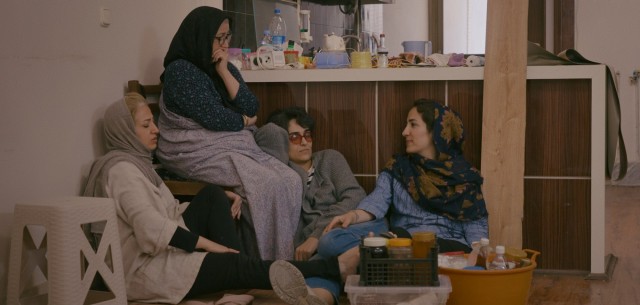
Shot during a time when Iranian police were actively arresting women for not wearing a hijab, Elahe Esmaili’s insightful and immersive short doc A Move pulls viewers directly into this tense reality. Following a young woman, Esmaili herself, as she helps her family move to a new home — at the heart of this 18-minute film is her decision not to wear a hijab, a choice that sparks deep conflict within her family. What unfolds is a raw and intimate portrait of personal resistance and the emotional toll that comes with it.
The film is anchored in the seemingly simple task of helping her parents pack up after 40 years in their home. It begins lightly, with the family laughing and working together as they prepare for the move. Yet the tone shifts once they step outside, when Esmaili refuses to wear any form of head covering – an act of solidarity with the Woman, Life, Freedom movement.
“The producer and I had an idea of making a film about wearing hijab by force just a few months before,” Esmaili reveals in an interview with Directors Notes, discussing how the movement shaped her approach. “We thought as the fight was going on in the streets and women bravely resisted by not wearing hijab in public … we could bring it home and capture how this was going to affect families.”
Esmaili (second right) with her family.
Esmaili believed that by addressing the issue within her private sphere, the film could highlight how change might be accelerated at home, breaking the chain of oppression that “starts from the extremist governments and spreads to religious and conservative families.” This intimate family perspective is what makes A Move so universally relatable. While the film speaks directly to women’s lives in Iran, it also captures the divides and contrasting beliefs within a family – something audiences anywhere can recognise.
In many ways, A Move also became a way for Esmaili to challenge her own family’s perceptions of her life choices. She recalls how, when they watched the film together in their new home, they “laughed, cried and hugged each other.” Her sisters thanked her for her resolve, remarking on “what an easier life it would be for their daughters.” Even her parents – the figures of greatest resistance in the story – were moved. Her father admitted he needed to reconsider how he had treated his daughters, while her mother, though silent, offered a quiet smile at the end of the screening.
A Move is also a film about resistance – a reminder that meaningful change often requires pushback. A 2025 report to the Human Rights Council underscores this reality, noting that despite pre-election promises from Iran’s new president, Dr. Masoud Pezeshkian, the persecution of women, girls, and human rights advocates persists. Sadly, this means Esmaili’s short is likely to remain as urgent and relevant as ever for the foreseeable future. We’re proud to showcase A Move on Short of the Week and encourage you to help amplify its important message by sharing it wherever you can.